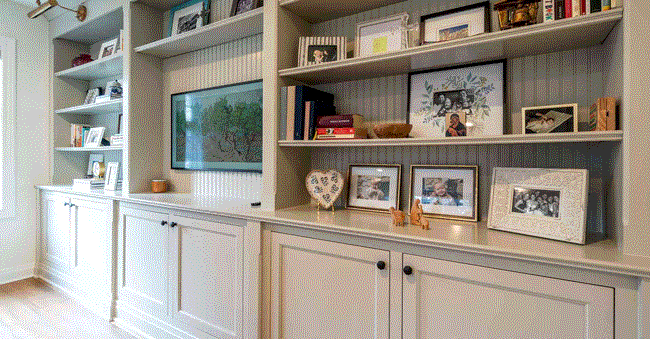
A home remodel is usually talked about in terms of square footage, budgets, and construction timelines, but the interior design choices are what actually determine how the finished home feels and how it functions. Good Interior Design Remodeling can make the remodel feel intentional and timeless. Poor ones can leave even an expensive renovation feeling disconnected or impractical. Below are some home remodel ideas to get you started.
Interior Design Creates Flow and Function
One of the biggest ways interior design affects a remodel is through functionality. A beautiful home that doesn’t work for everyday living quickly becomes frustrating. Thoughtful design choices help create:
- Better traffic flow between rooms
- More intuitive storage solutions
- Comfortable furniture layouts
- Efficient kitchen and bathroom organization
- Flexible spaces that adapt to changing needs
For example, during a kitchen remodel, design decisions such as cabinet placement, island size, lighting layout, and appliance integration all affect how efficiently the space functions day to day. In living spaces, furniture scale and built-in storage can completely change whether a room feels cramped or open. We build successful remodels that are designed around your real-life habits.
Design Choices Shape the Emotional Feel of the Home
Interior design has a major psychological impact. Color palettes, textures, lighting, ceiling height treatments, and material selections all influence mood and comfort. A remodel can feel:
- Warm and inviting
- Bright and energizing
- Calm and relaxing
- Sophisticated and luxurious
- Cozy and intimate
Natural materials like wood and stone often create warmth and softness, while oversized windows and layered lighting can make spaces feel larger and more welcoming. Even subtle details, like matte finishes versus glossy ones, affect a room’s atmosphere.
When design choices align with the homeowner’s lifestyle and personality, the remodel feels more cohesive and personal rather than generic.
The Psychology Behind Color in Home Remodeling
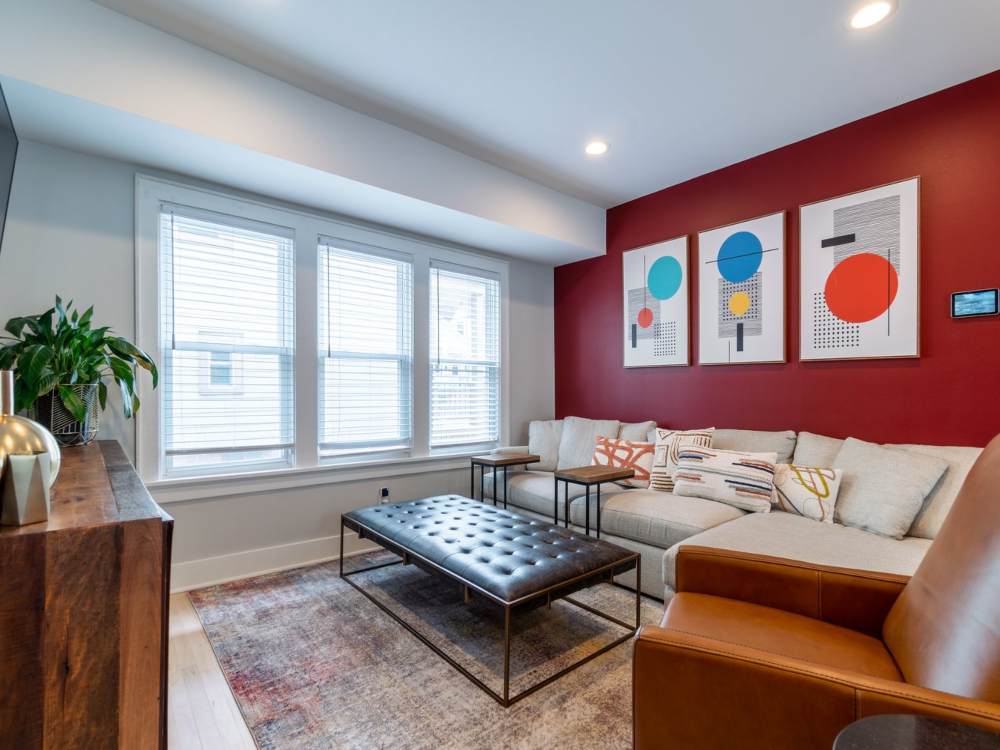
Interior design remodeling goes far beyond aesthetics. There’s actually a real psychological impact behind every choice. Color alone can shift how a space feels: red tends to feel energizing and stimulating, yellow creates warmth and optimism, blue promotes calm and relaxation, and green brings balance and a connection to nature. Neutrals like whites, grays, and beiges help ground a space and create a sense of calm flexibility, making them a foundation in many modern interior renovation projects.
Material Selections Affect Durability and Maintenance
Interior design determines how well the home performs over time. The most successful remodels balance aesthetics with practicality so the home still functions beautifully years later. Choosing the right materials impacts:
- Cleaning requirements
- Wear and tear
- Moisture resistance
- Longevity
- Family-friendliness
For example:
- Quartz countertops are often chosen for low maintenance
- Performance fabrics help resist stains in family homes
- Luxury vinyl plank flooring offers durability in high-traffic areas
- Large-format tile can reduce grout maintenance
Cohesive Design Improves Home Value
Cohesive design is where interior design and preplanning really pays off. A modern interior renovation tends to feel more expensive and professionally executed when the design feels cohesive throughout the house. Buyers notice this immediately. Even if they can’t identify exactly why a home feels polished, a cohesive design creates a stronger emotional response and can increase perceived value during resale. Consistency in:
- Flooring
- Trim profiles
- Hardware finishes
- Paint palettes
- Lighting styles
- Architectural details
helps the home feel unified rather than pieced together over time.
Lighting Design and Its Impact on Home Remodeling
Lighting is one of the most overlooked yet transformative elements in remodeling inspiration. Poor lighting can make even beautifully remodeled rooms feel dull or uncomfortable, while strategic lighting elevates the entire design. Successful remodels use layered lighting that combines:
- Ambient lighting for overall brightness
- Task lighting for function
- Accent lighting for depth and atmosphere
Storage Design Often Determines Long-Term Satisfaction
One of the biggest frustrations homeowners face after remodeling is a lack of storage. Beautiful spaces quickly lose their appeal when clutter begins taking over. Smart interior design incorporates storage seamlessly into the home through:
- Built-in cabinetry
- Hidden appliance garages
- Walk-in pantry systems
- Mudroom lockers
- Window-seat storage
- Recessed medicine cabinets
- Custom closet systems
Interior Design Choices That Improve Home Value
Thoughtful interior design choices can also increase resale appeal and perceived home value. Buyers are often drawn to homes that feel cohesive, updated, and functional. Features that commonly improve value include:
- Timeless kitchen designs
- Updated bathrooms
- High-quality finishes
- Energy-efficient lighting
- Custom storage solutions
- Open and functional layouts
Common Interior Design Mistakes to Avoid During Remodeling
Even well-intentioned remodels can run into problems without proper planning. Some of the most common mistakes include:
- Prioritizing trends over functionality
- Choosing lighting too late in the process
- Ignoring storage needs
- Using inconsistent finishes
- Overcrowding spaces with oversized furniture
- Forgetting about traffic flow
- Selecting materials without considering maintenance
Another common issue is beginning construction before design plans are finalized. Making major changes during construction can significantly increase costs and extend timelines.
Personalized Design Makes a Remodel More Successful
The most successful remodels are rarely the trendiest ones. They are homes designed around the people who live in them. Interior design choices should support:
- Daily routines
- Family dynamics
- Entertaining habits
- Storage needs
- Work-from-home lifestyles
- Long-term comfort
A remodel succeeds when the home becomes easier to live in, more enjoyable to spend time in, and better suited to the homeowner’s life.
Trends may inspire a design direction, but personalization is what creates a home that still feels right years later.
Budget and Timeline Efficiency
One thing design does is plan your whole home, how it works, and, most importantly, how it fits within your budget. Home design planning happens before demolition begins and gives contractors a vetted blueprint. This drastically reduces costly revisions and prevents unexpected budget creep.
Partnering With Kelmann Homes for a Successful Remodel
A successful interior design remodeling project takes thoughtful planning, creative design, and a deep understanding of how homeowners live in their spaces every day. Kelmann Homes helps Milwaukee Metro homeowners transform their existing homes into more functional, beautiful, and personalized environments through expert remodeling services and custom interior design solutions. Our team focuses on practical design choices that enhance your daily living. When interior design and remodeling work together from the beginning, the result is a home that not only looks stunning but functions beautifully, even years down the line. Contact us today to learn more about how we can create a home that works for you.